
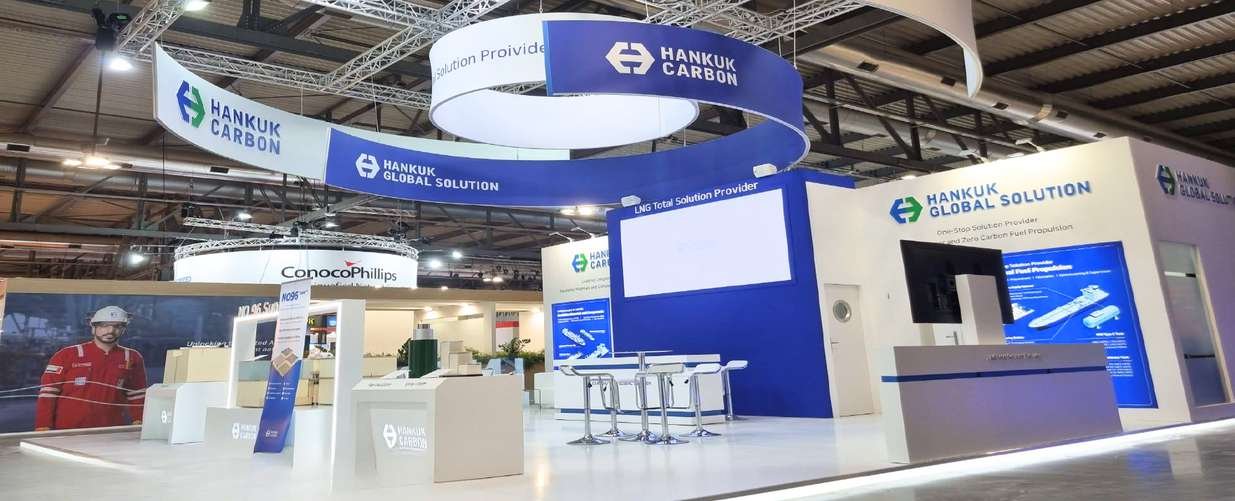
How should you plan a European exhibition stand?
Build the programme backwards from opening day and venue access. Confirm the brief and footprint first, protect time for design approval, resolve venue and technical requirements before production, then plan logistics, installation, inspection and handover. The exact lead time depends on the stand, venue and organiser deadlines.
Why the timeline must run backwards
An exhibition opening date is fixed, but many earlier decisions are connected. A late floor plan can delay design. Late design approval can compress technical development. Late content can affect graphics, AV testing and final production.
Start with the organiser’s build-up and opening schedule, then map each decision and dependency in reverse. This reveals the latest safe date for each approval and prevents delays from being pushed into production.
Confirm the brief, space and responsibility
Before concept design, align the exhibition, venue, stand dimensions, open sides, audience, objectives, required spaces and budget guidance. Confirm the products and content that will influence the layout.
Define who owns design, technical submissions, service orders, production, logistics, installation, graphics, AV and handover. Gaps between suppliers are easier to resolve now than during build-up.
Protect design and approval time
The concept stage should resolve the visitor journey, brand expression, functions and major materials—not only the appearance of the stand. Give feedback in consolidated rounds and name the person with final approval authority.
Freeze the decisions that affect engineering, production and service orders before asking the technical team to proceed. Continuing to change walls, overhead elements, meeting rooms or AV positions after this point can affect several workstreams at once.
Resolve technical and venue requirements
Translate the approved concept into build information, specifications and coordinated service requirements. Review the organiser manual for the actual show and venue; rules, submission routes and access arrangements are not identical across Europe.
Typical coordination can include structural information, electrical layouts, rigging, fire documentation, service orders, contractor access and health-and-safety submissions. The required set depends on the stand and event, so confirm it with the organiser rather than copying a previous show’s checklist.
Lock content, products and interfaces
Graphics, video, interactive content and product information need their own schedule. Agree final sizes, formats, languages, owners and delivery dates before production is committed.
If equipment or products are supplied by another team, confirm dimensions, weights, power, data, ventilation, security and arrival arrangements. These details affect the stand even when the items are not part of the construction scope.
Protect production, checks and logistics
Production needs an approved technical package and resolved material choices. Build in time for graphics, specialist items, integrated lighting or AV, assembly checks and correction of any issue found before dispatch.
The logistics plan should reflect the venue access slot, vehicle rules, local handling, labour plan and build sequence. A completed stand in the workshop is not the finish line; it still needs to reach the correct hall and be installed within the available window.
Keep a simple decision and dependency register
For every important milestone, record the decision needed, its owner, the agreed date and the task it unlocks. For example, approved screen dimensions may be needed before joinery details can be released; final print-ready artwork is needed before graphics can be produced.
If a decision slips, ask which downstream dates change. Do not hide a missed approval by reducing the time available for checks or installation without reviewing the consequences with the delivery team.
Plan installation and handover
Sequence structure, services, graphics, AV, furniture, cleaning and client-supplied items so trades do not block one another. Keep enough time for finishing, testing and correction before the client walkthrough.
Agree who signs off the stand and what handover covers. Confirm operational contacts for the show, then plan dismantling, return logistics, storage or disposal before the team leaves site.
The programme check before you commit
A useful programme shows more than dates. It identifies the owner, required input, dependency and approval for each milestone. Review it whenever the brief, venue information or content plan changes.
- Does every approval have one accountable owner?
- Are organiser and venue deadlines included?
- Are products, graphics and digital content on the same programme?
- Is there time for technical checks and corrections before dispatch?
- Are installation, handover and dismantling responsibilities clear?
Use approval gates, not a generic countdown
A fixed ‘start this many weeks before the show’ rule can hide important differences between projects. Build a dated programme from the current organiser deadlines, supplier lead times and your team’s approval capacity.
At each gate, identify the deliverable, approval owner and consequence of a late change. If an item is still provisional, agree when it must be confirmed and which other tasks depend on it. Keep the build-access date separate from the public opening date.
| Gate | Information to resolve |
|---|---|
| Brief approval | Footprint, functions, objectives and responsibility |
| Design approval | Layout, architecture and principal finishes |
| Technical and content release | Submissions, services, final artwork and equipment details |
| Dispatch readiness | Packing, logistics, access and installation sequence |
| Handover | Completed checks, staff orientation and outstanding items |
Continue planning your stand
Follow the route from discovery and design to installation and show-floor handover.
Check the European venue directoryFind official venue websites, visitor addresses and directions for major exhibition centres.
Share your show datesSend the exhibition, venue, stand size and deadline so the required programme can be discussed.
Check the exhibition you are planning forStart with the next edition, then obtain the current technical and access schedule.